
Loading...
Serving Fullerton, CA and surrounding areas. (657) 632-9118
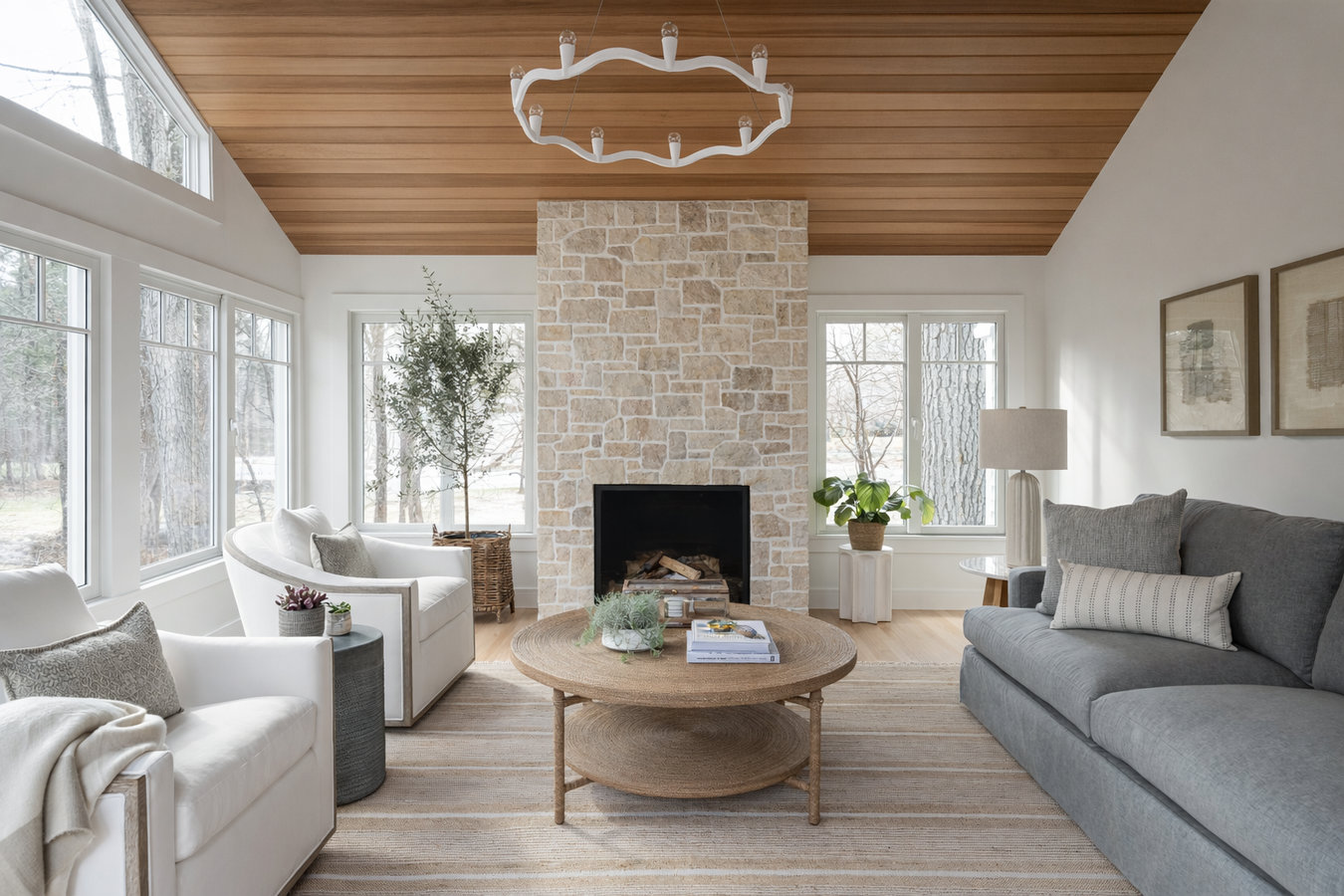
SunPort Fullerton Sunrooms & Patios builds four season sunrooms, patio enclosures, and screen rooms for Brea homeowners. We work on both flat-lot tract homes and hillside properties near Carbon Canyon, and we manage the City of Brea permit process on your behalf from the first application to the final inspection.
Brea gets about 280 sunny days a year, but winter nights near the Puente Hills can drop to the low 30s. A four season sunroom is fully insulated and climate-controlled, so you get a usable room through every part of the year - not just the nine months when the weather is cooperative.
Many Brea ranch homes and tract houses from the 1970s and 1980s came with a covered concrete patio that was never enclosed. Turning that patio into a proper room takes less structural work than a new addition because the roof and slab are already there - we add walls, windows, and doors, and the result is a room that actually functions year-round.
Brea's long warm season makes the evenings ideal for outdoor living - except when the insects arrive. A screened room lets you keep the air and the view while keeping the bugs out. It is a lighter investment than a fully enclosed sunroom and works well for homeowners who primarily use their outdoor space in the evenings from spring through fall.
Brea homeowners with properties that back onto open space or have a hillside view are often sitting on an untapped opportunity. A sunroom addition frames that view through glass walls and turns an underused backyard into a room that is part of the house. With home values in Brea well above $700,000, a properly permitted addition adds real appraised value.
Building a new sunroom on a Brea property starts with understanding the lot - flat tract homes and hillside properties near Carbon Canyon Road need different foundation approaches. We assess both before drawing a single plan or naming a price. Our construction process includes pulling all permits from the City of Brea and handling inspections at every required stage.
For Brea homeowners who want a dedicated space to enjoy the backyard from spring through fall without the cost of full insulation and HVAC, a three season room is a practical middle ground. It handles Brea's long warm season comfortably and costs less than a four season room - a good fit when the budget matters and winter use is not a priority.
Brea's housing stock is dominated by homes built between the 1970s and 1990s - many of which are now 35 to 55 years old and have never had foundation assessments or exterior structural evaluations. These homes typically feature stucco exteriors, low-pitched roofs, and concrete slab foundations. At this age, the concrete flatwork is often cracked, the stucco has weathered through multiple seasons of intense UV exposure, and the original insulation in the walls is performing well below current standards. Before a sunroom can be designed, the existing structure at the connection point needs to be properly assessed. A contractor quoting from photos or a phone call has not done that assessment.
The split between flat-lot homes near Imperial Highway and the Brea Mall area, and hillside properties up toward Carbon Canyon and the Puente Hills, is one of the defining features of working in this city. Hillside lots come with different drainage requirements, graded foundations, and sometimes retaining walls that must be considered before a new room is attached to the structure. Winter rain events in Brea, modest as they are in total annual volume, can expose drainage problems on sloped properties that do not show up during the dry months. Santa Ana wind events add lateral force loads that must be accounted for in how a sunroom is attached and framed - this is not a detail to leave to a contractor who does not work regularly in this region.
Our crew works throughout Brea regularly, and we understand the local conditions that affect sunroom contractor work here. Brea splits into two distinct residential zones that we see on job sites: the older flat-lot tract neighborhoods near Imperial Highway and Brea Boulevard, and the hillside streets climbing toward Carbon Canyon Road in the northeast. These two parts of the city need different conversations at the foundation and drainage stages, and we start those conversations before we quote a price.
Brea was originally an oil town - the name comes from the Spanish word for tar - and the city grew rapidly as a residential community after oil production declined. The Brea Mall anchors the commercial core along Imperial Highway, and the walkable downtown district along Birch Street is a well-known gathering spot for residents. Carbon Canyon Regional Park, where Carbon Canyon Road heads into the Puente Hills, marks the northeastern edge of the city and is the reference point for most conversations about hillside properties in Brea. We reference the City of Brea Building and Safety division for permit submissions and are familiar with their plan check timeline for room additions.
We regularly serve homeowners in nearby La Habra to the west and Placentia to the south. If you live near either of those boundaries, we cover your neighborhood as well.
Call or use the online form to describe what you want - a rough size, how you plan to use the room, and whether your home is on a flat lot or a hillside. We respond within one business day and schedule a site visit at a time that works for you.
We visit the property, assess the existing slab or foundation, check the attachment wall, and note any drainage or grading considerations - especially relevant on hillside lots near Carbon Canyon. Our written estimate covers the full scope including permit fees, so you know the total cost before you commit.
We submit the permit application to the City of Brea and manage the review process. Once the permit is in hand, construction runs two to six weeks depending on the room's scope. We schedule and coordinate all required city inspections so nothing falls through.
After the city closes the permit and passes the final inspection, we walk the finished room with you. We show you how each window, door, vent, and climate system operates - so you are not left figuring that out on your own after we leave.
We work on both flat-lot and hillside Brea properties, and we handle the City of Brea permit process from start to finish. Call us or submit the form - we respond within one business day.
(657) 632-9118Brea is a city of about 47,000 people in northern Orange County, bordered by Placentia to the south, La Habra to the west, and the Puente Hills to the northeast. The city's name comes from the Spanish word for tar or pitch, a nod to its origins as an oil extraction town in the early 1900s. It grew rapidly as a residential community after oil production declined, with most of its housing stock built between the 1970s and 1990s. Today the city is best known for the Brea Mall along Imperial Highway and the walkable downtown district on Birch Street, which features public art and local restaurants that draw residents from across the area.
Brea's neighborhoods split between flat-lot tract homes near the commercial core and hillside communities climbing toward Carbon Canyon and Carbon Canyon Regional Park in the northeast. The park marks the city's edge where Carbon Canyon Road heads into the Puente Hills and is a well-known reference point for residents who live in that part of town. The mix of housing ages and lot types - from 1970s stucco ranch homes on flat streets to hillside properties with graded yards and retaining walls - means the city requires more site-specific thinking than many neighboring areas. Nearby Yorba Linda to the east and La Habra to the west share similar housing characteristics, and we serve homeowners in both cities as well.
Convert your existing patio into a fully enclosed sunroom space.
Learn MoreBrea homeowners can call us or submit the online form - we respond within one business day and always visit your property before quoting a price.